

Climbing Mountains Is Free
Debunking the Myths of Privilege

Introduction
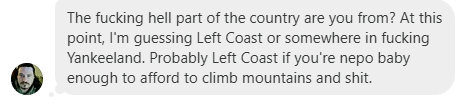
Shoutout to Will Martin from Quarterly Musings for calling me a "nepo baby" for climbing a mountain back in 2016. You know who you are, Will. Jesus might love you, but nobody else does. Apparently, putting one foot in front of the other on a free piece of dirt is now a sign of generational wealth. Well, strap in, because I’m about to break this down like I’m rappelling off a cliff—except this explanation is even easier and requires zero gear.
Nature Is Free
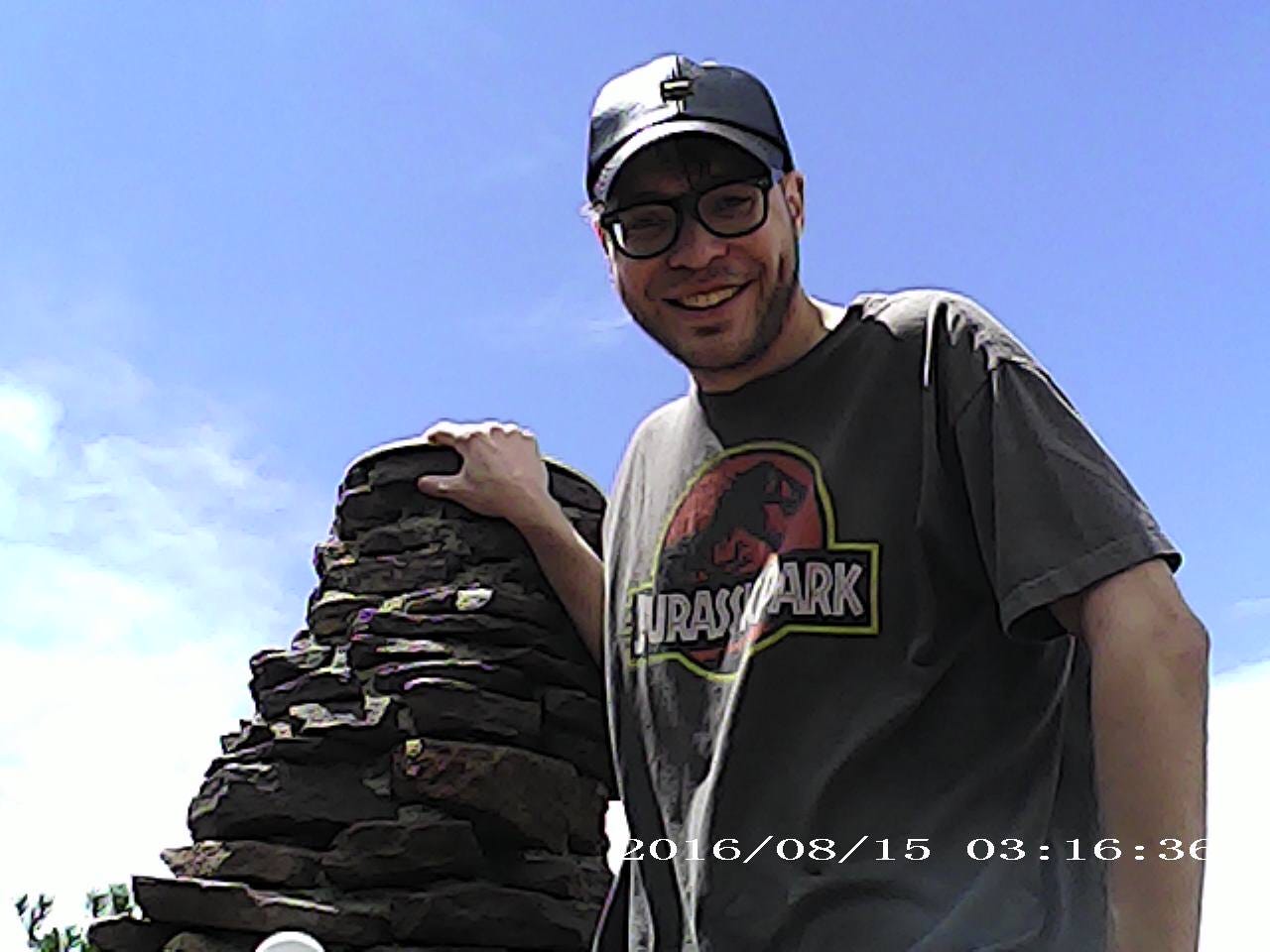
Let’s get one thing straight: the mountains don’t check your tax bracket before letting you hike up their glorious slopes. Across the United States, there are countless mountains just sitting there, waiting for you to climb them—no membership card required. From Bear Mountain in Connecticut to Mount Superior in Utah, all you need is a willingness to huff, puff, and probably sweat a little.
Some parks do charge small entrance fees—like $10 per car—but divide that among friends and it’s cheaper than a cup of coffee. And in many places, such as the Adirondacks in New York, access to trailheads is as free as unsolicited opinions on the internet.
Here are some free or nearly free mountains you can climb in the U.S.:
Bear Mountain, Connecticut - Free access to this scenic spot offering a rewarding 6-mile loop hike.
Cascade Mountain, New York - No fees required for this Adirondack favorite with stunning views.
Mount Monadnock, New Hampshire - One of the most climbed mountains in the U.S., accessible for just a small parking fee.
Mount Olympus, Utah - A challenging yet free hike with breathtaking views of Salt Lake City.
Guadalupe Peak, Texas - A small park entrance fee grants access to the highest point in Texas.
Mount Superior, Utah - Free to climb with jaw-dropping views of Little Cottonwood Canyon.
Mount Lincoln, Colorado - Another free favorite, often paired with neighboring peaks for a triple summit day.
Mount Dana, California - Accessed near Yosemite, it’s free once you’re in the park.
Mount Whitney, California - The tallest peak in the contiguous U.S., with free permits for the ambitious.
Longs Peak, Colorado - Located in Rocky Mountain National Park, free with park entry and offering an unforgettable adventure.
Each of these trails offers a unique experience—from the forested paths of the East Coast to the rugged peaks of the Rockies. Whether you’re after a quick day hike or a challenging climb, there’s something for everyone without having to empty your wallet.
Minimal Gear Is Required
Contrary to what Instagram influencers would have you believe, you don’t need $500 boots and a GPS watch that could guide a Mars rover. To start, all you really need are shoes that don’t disintegrate on impact and maybe a water bottle (pro tip: recycled soda bottles work just fine). Fancy gear? Save it for when you’re scaling Everest or trying to impress your hiking crush.
For beginners, local trails don’t require anything more than what you’d wear to a slightly ambitious stroll. And if you want to level up? Hit up thrift stores or borrow gear from a friend. The great outdoors won’t know (or care) that your backpack cost $5.
The Real Riches: Mental and Physical Benefits
Mountain climbing isn’t about flexing your bank account; it’s about flexing your calves and your existential crisis muscles. The fresh air, the sense of accomplishment, the stunning views—these are the real rewards. And spoiler: they’re all free.
Need a mental reset? There’s nothing like standing on top of a mountain, realizing how small your problems are compared to, say, gravity. Need to get in shape? Climbing a mountain beats any gym membership, and you don’t have to listen to EDM remixes while you do it.
And let’s not forget the stories. Every summit comes with a tale to tell—whether it’s about conquering a tough trail, spotting a wild animal, or simply surviving your friend’s questionable snack choices.
Busting the "Luxury Activity" Myth
The idea that climbing mountains is only for the privileged is as wrong as hiking in flip-flops. Sure, some folks post pictures with gear that costs more than your rent, but they’re the exception, not the rule. Most people who climb mountains are regular folks who enjoy sweating in public and telling their coworkers about it on Monday.
Take Mount Monadnock in New Hampshire, for example. It’s one of the most frequently climbed mountains in the United States, and you don’t need a cent beyond gas money to get there. Or Cascade Mountain in New York—totally free, totally worth it, and no one’s going to check your credit score at the trailhead.
Getting Started: Your First Steps
Ready to embrace your inner mountain goat? Here’s how to get started:
Start Local: Look for trails near you. Chances are, there’s a hill nearby that’s just begging to be conquered.
Do Some Research: Use apps like AllTrails or websites to find beginner-friendly hikes. Think of it as online shopping, but for fresh air.
Keep It Simple: Don’t splurge on gear unless you’re planning to make this a serious hobby. Your regular sneakers will do just fine for most beginner trails.
Find Your People: Join a hiking group or rope in some friends. Misery loves company, and so does the summit selfie.
Check the Weather: Because nothing says “free” like getting caught in a surprise thunderstorm.
Snack Smart: Pack snacks that will make your climb even more enjoyable—trail mix, fruit, or the classic peanut butter sandwich.
Conclusion

Climbing mountains isn’t about privilege; it’s about grit, curiosity, and a willingness to embrace the occasional blister. So, to Will Martin and anyone else who thinks mountain climbing is a rich person’s game: grab your shoes and meet me on the trail. I’ll even bring snacks.
The mountains are calling, and they don’t charge a cover fee. See you at the summit!
Lol, writing a bitchy AI Slop piece because you're a Swarthy TechBro doesn't change the fact that you're a Swarthy TechBro.